

Bio-Medical Waste Management
- Bio-medical waste generated during diagnosis, treatment, immunization, and laboratory procedures is collected in appropriately color-coded containers.
- Cadaveric remains from the Department of Anatomy are disposed of in a burial ground maintained within the college premises.
- An electrical incinerator is used for the safe and hygienic disposal of sanitary pads.
- Bio-degradable waste is disposed of using manure pits, while wastewater is screened for solid materials, stored in settling tanks, and later used for irrigation.
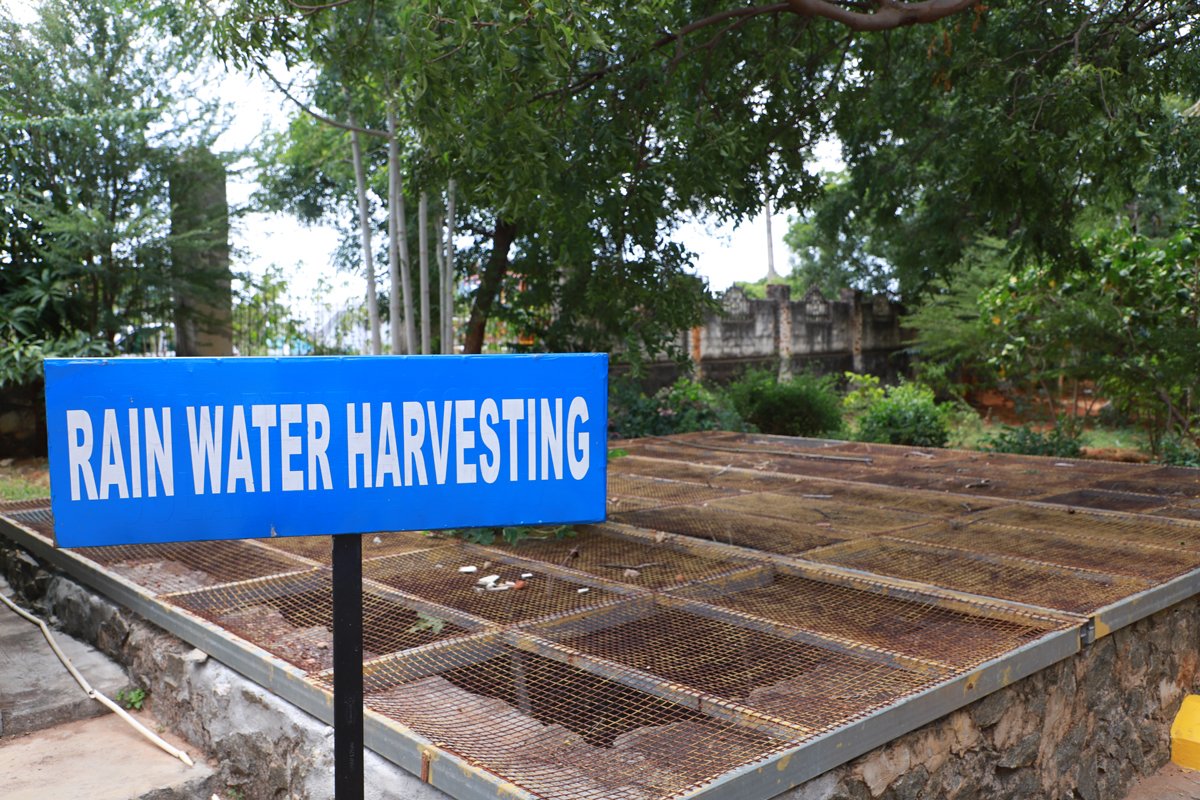
Water Conservation
- The institution has implemented water conservation facilities such as rainwater harvesting, open well recharge, and the construction of tanks and bunds.
- Drip irrigation is used within the campus to efficiently conserve water resources.
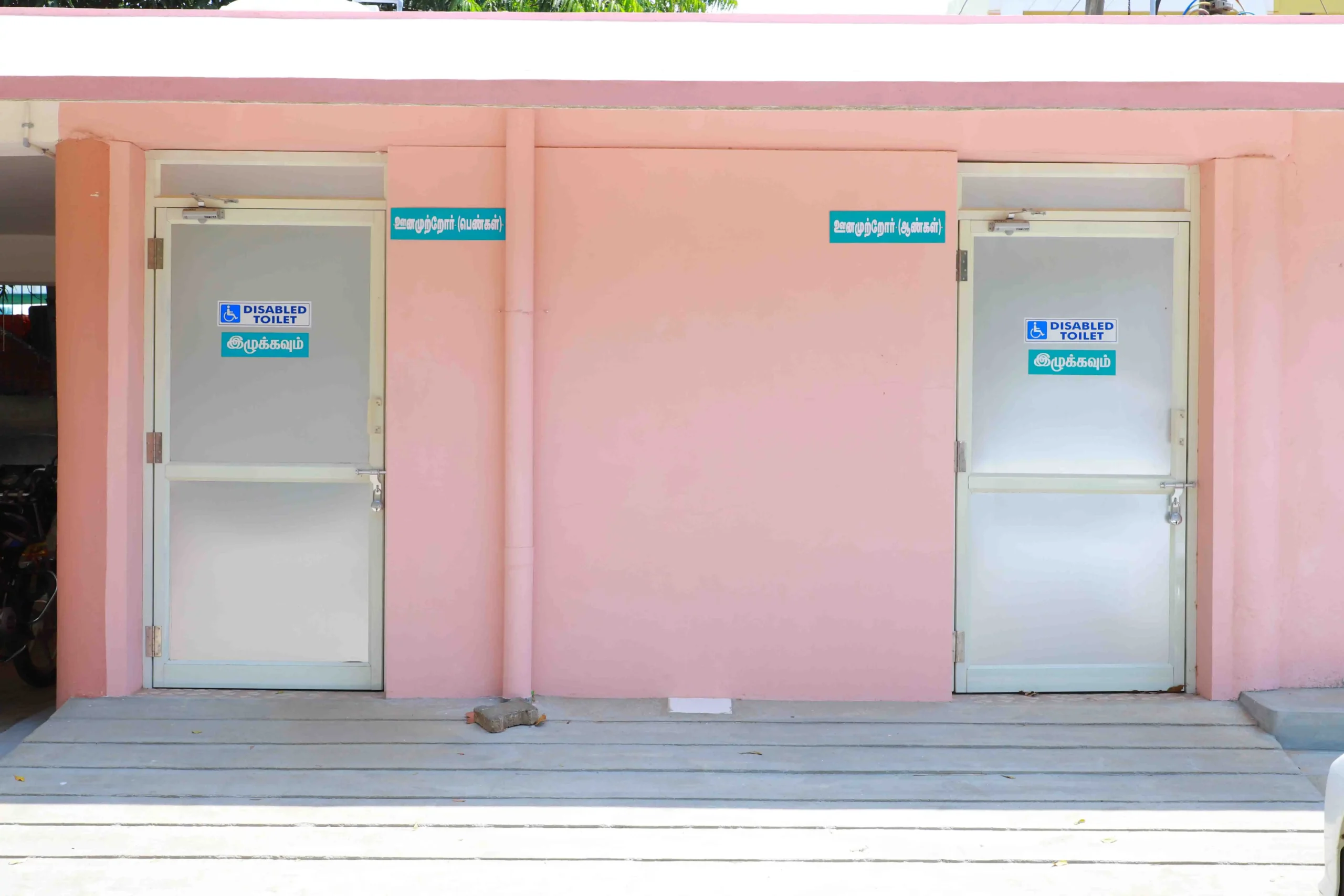
Disabled-Friendly Campus
- The Institution ensures a disabled-friendly, barrier-free environment with features like ramps, disabled washrooms, signage boards, lights, display boards, and signposts.
- Additional support includes mechanized equipment, enquiry and information provisions, human assistance, scribes, readers, and soft copies of reading materials.

SOLAR PANEL
System Type : ONGrid
System Capacity : 60 KWp
Average amount of Energy generated every month : 4500- 6500Units
- Advanced Infrastructure: Rajas Dental College and Hospital operates an advanced 60 KWp On-Grid rooftop solar power plant across its 30-acre campus.
- High Energy Yield: This sustainable infrastructure generates an average of 4,500 to 6,500 units of clean electricity every month.
- Smart Grid Integration: The system integrates directly into the college grid to meet daily campus electrical requirements and maximize energy savings.
- Eco-Friendly Impact: This pollution-free, renewable energy source drastically reduces the institution's carbon footprint and greenhouse gas emissions.
- Green Commitment: This modern setup serves as a cornerstone of the institution’s dedication to maintaining a highly sustainable campus environment.
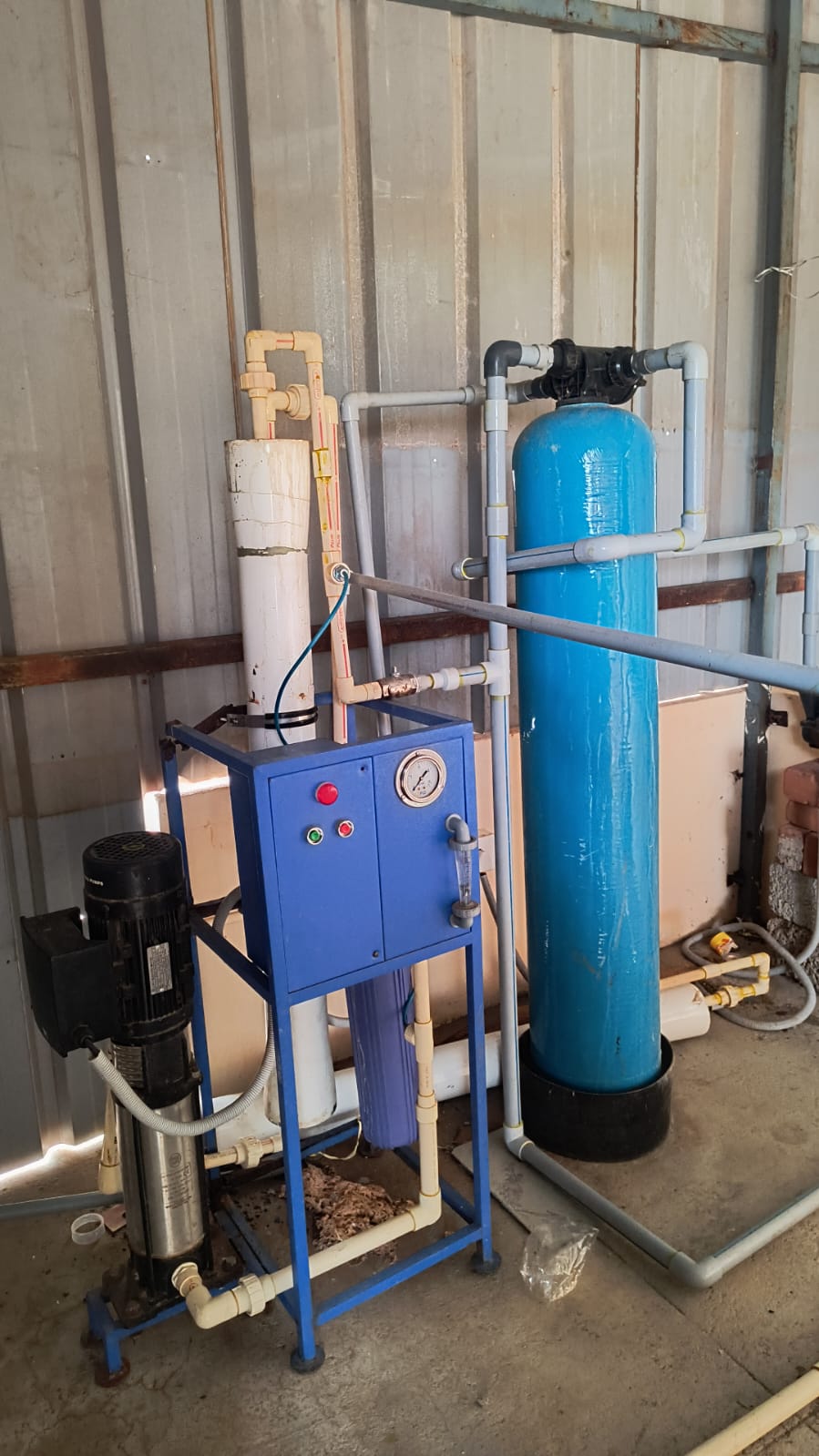
RO plant - Pure & Safe Drinking Water Facility
- Advanced Water Treatment: Rajas Dental College and Hospital operates an industrial-grade Reverse Osmosis (RO) water treatment plant directly within the campus.
- Campus-Wide Availability:The RO plant treats and purifies ground water before supplying it safely for drinking across all academic blocks, clinical departments, and campus facilities.
- Round-the-Clock Supply: The system ensures a steady, 24/7 uninterrupted supply of safe, pure drinking water to both the boys' and girls' hostels.
- Strict Quality Control: The water undergo thorough multi-stage filtration to eliminate dissolved impurities and maintain the highest standards of safety and hygiene for patients, students, and staff.
- Eco-Conscious Integration: This clean water facility functions alongside our larger green initiatives, ensuring optimal health standards across our 30-acre eco-friendly campus.
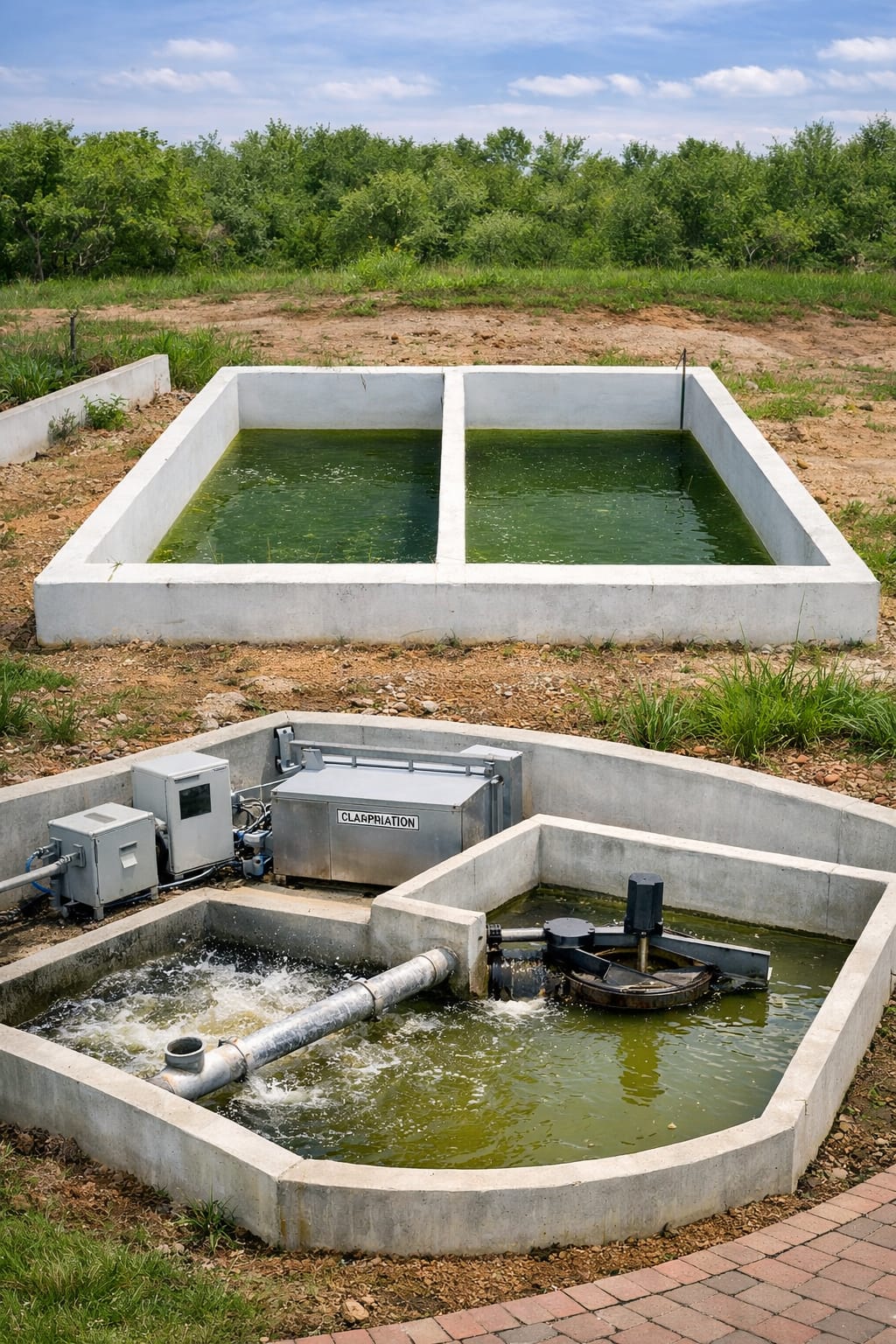
STP
- Eco-Friendly Infrastructure: Our campus features an advanced Sewage Treatment Plant (STP) that reflects our deep commitment to environmental sustainability.
- Efficient Resource Management: The facility safely processes and treats wastewater generated across campus buildings and hostels.
- Green Campus Maintenance: 100% of the treated water is recycled and reused exclusively for landscape irrigation and maintaining our lush green covers.
- Zero Waste Mission: By recycling water on-site, the institution significantly reduces its freshwater consumption and minimizes its environmental footprint.
- Educational Value: The plant also serves as a practical, real-world learning model for students interested in environmental management and sustainable engineering solutions.
- Here is an updated set of options focusing specifically on the structural, technical, and high-capacity aspects of the plant for the amenities column:
- High-Capacity Design: The campus houses a fully operational, high-capacity Sewage Treatment Plant engineered to handle the daily wastewater volume of the entire institutional block and residential zones.
- Modern Treatment Technology: Utilizing advanced multi-stage filtration and biological treatment processes, the facility ensures that treated water meets stringent environmental safety standards.
- Automated Control Systems: The infrastructure features modern automated monitoring systems to ensure continuous, efficient, and odor-free operations round the clock.
- Robust Civil Structure: Built with durable, corrosion-resistant materials and heavy-duty structural engineering, the plant is designed for long-term operational reliability.
- Underground Layout Optimization: Designed with space efficiency in mind, key processing units are integrated seamlessly into the campus layout to maximize open green spaces for students.